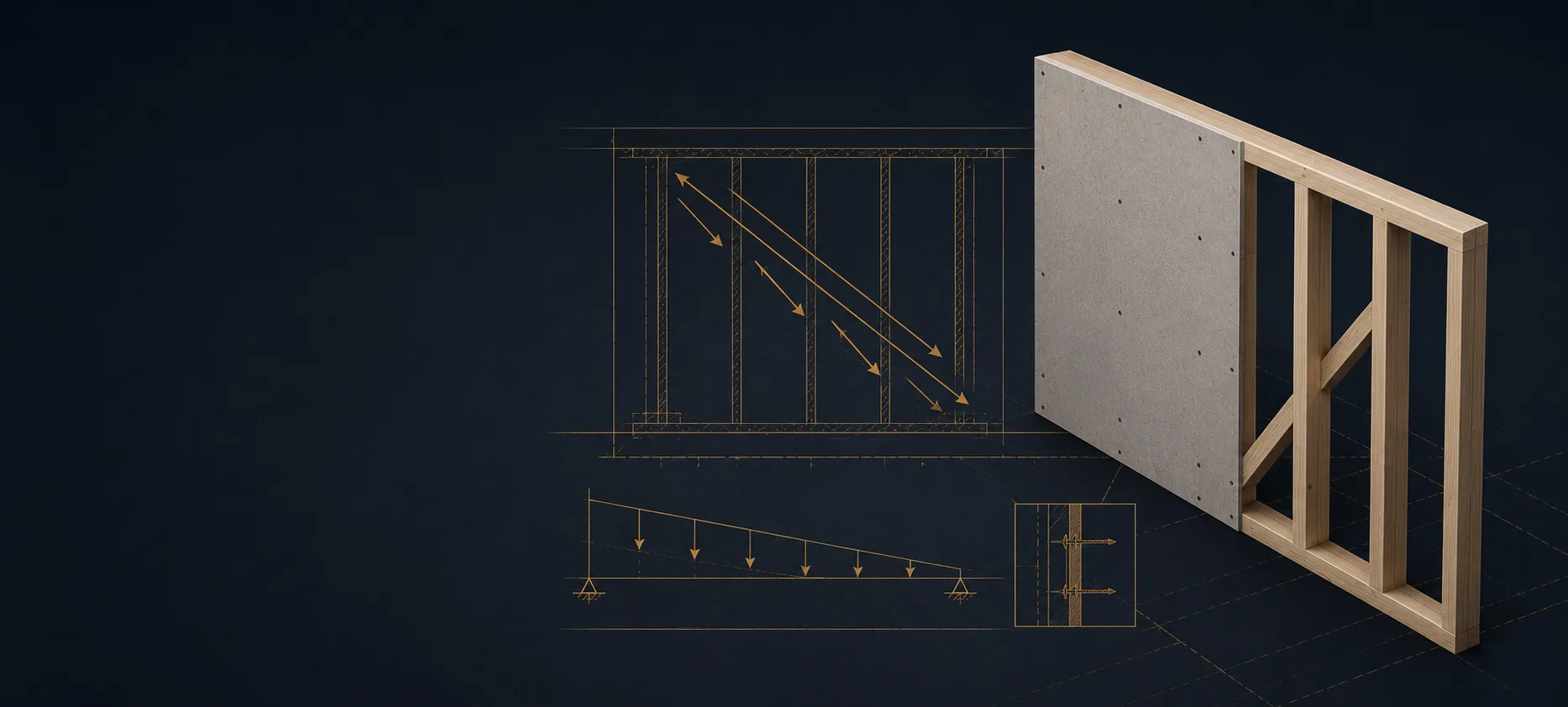
Evidence area
Racking and sheathing evidence, checked against the frame and fixings.
A racking board has test evidence behind it — but the question is whether that evidence applies to your frame, your fixing pattern and your project assumptions.
The Bench reviews racking and sheathing evidence against the test method, category, substrate and fixing detail actually proposed, and sets out the position in writing.
Independent evidence review. Not certification, Building Control or design sign-off.
The questions that usually arrive with a racking query
Does the racking evidence cover this frame?
The tested frame — stud size, spacing, timber grade — may not be the frame on the project, and someone has asked.
Is the fixing pattern the tested one?
Fixing type, size, centres and edge distances all sit behind the tested figure, and the site detail needs to match.
Which test method and category does the evidence use?
The engineer needs to know what the figure represents before it can be used — and the documents do not make it obvious.
Can the engineer rely on this?
The evidence needs organising clearly enough for the appointed engineer to make their own professional judgement.
Typical components reviewed
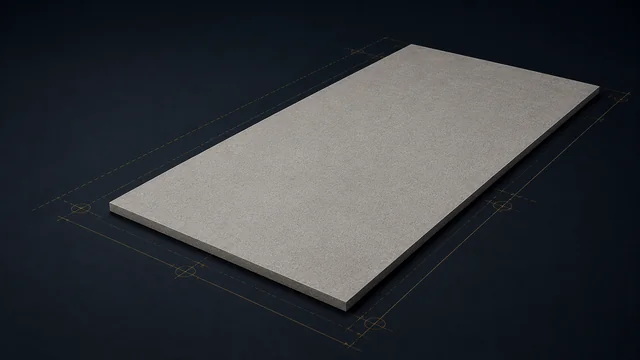
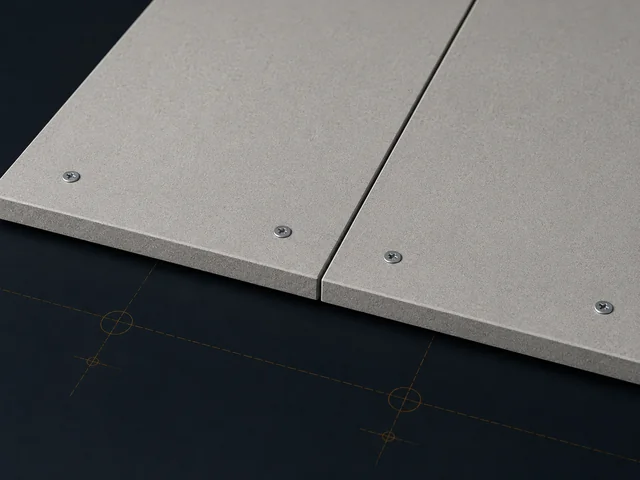
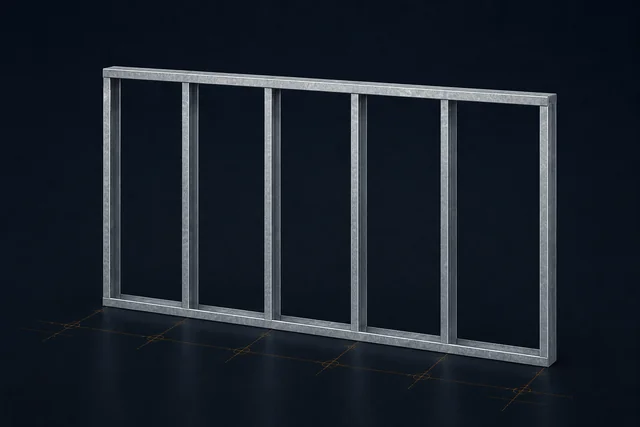
The paperwork behind a racking question
Every enquiry is different, and you do not need a complete set before getting in touch — send what you have. These are the documents that usually matter:
- Racking test reports or assessments for the board
- Declared racking performance data and its conditions
- The frame specification — studs, spacing, grade
- The fixing schedule — type, size, centres, edge distances
- Build-up drawings for the wall panel
- The engineer's or designer's question as raised
Where racking evidence usually falls short
The tested frame is not the project frame
Stud size, spacing or timber grade differs from the test configuration, and the read-across is assumed rather than shown.
The fixing pattern has drifted
Fixing centres or edge distances on site differ from those behind the tested figure.
The method or category does not match the design need
The evidence uses one test method or category, while the design calculation expects another.
A board swap inherited another board's figures
The design used one product's racking values, and a different board has since been substituted.
A written racking evidence position you can use
The Bench reviews the racking and sheathing evidence against the frame, fixings and assumptions actually proposed, and puts the position in writing.
- Compare the test conditions with the project frame and fixing schedule
- Identify the test method and category behind the figures, and what they mean for the question
- Flag substitution and read-across risk where boards or details have changed
- List the gaps that need resolving before the evidence can be relied on
- Provide a written note the appointed engineer can work from
The output is written — a review note, clarification note, gap register or evidence summary you can use with the project team. We quote before any written work starts.
Clear about the limits of the review
The Bench reviews evidence and gives written guidance. For racking and sheathing in particular, the limits matter:
- Structural engineering judgement or racking design responsibility
- Certification, testing or product approval
- Building Control or other statutory sign-off
- Confirmation of structural adequacy — that remains with the appointed engineer
Those decisions remain with the appointed competent person or organisation for the project. Our written review is there to support them, not replace them.
Product knowledge that may relate to this evidence area
Where a product question sits behind this evidence area, the product knowledge pages set out the typical questions and the evidence commonly reviewed:

Product logos identify the product areas our evidence records cover. They do not imply certification, approval, endorsement or guaranteed acceptance of any product or build-up.
Racking evidence question holding up the frame design?
Send the question, the frame and fixing detail and the documents you already have. No charge to submit an enquiry — we quote before any written work starts.