System build-upsAssemblies and finishes
Is the proposed build-up the one that was actually tested?
Most build-up evidence questions come down to one comparison: the configuration that was tested, certified, classified or declared, against the configuration being proposed.
The Bench puts the two side by side — layer by layer, fixing by fixing — and sets out in writing where they match and where they do not.
ScopeEvidence review. Not certification, Building Control or design sign-off.
The questions that usually arrive with a build-up query
Is this the tested build-up?
The documents describe a configuration, and someone wants confirmation the project build-up is the same one.
Does one change break the evidence?
A layer, thickness, fixing or substrate has changed, and the question is whether the evidence still applies.
Which document covers the whole assembly?
Each product has paperwork, but nothing obviously covers the build-up as a complete system.
What do we need to show for this exact configuration?
The project needs an evidence position for the build-up as proposed — not for the products in isolation.
The paperwork behind a build-up question
Every enquiry is different, and you do not need a complete set before getting in touch — send what you have. These are the documents that usually matter:
- Test, classification or assessment reports for the build-up
- Declarations of performance and data sheets for each layer
- Drawings of the proposed build-up, with thicknesses and fixings
- Installation guidance for the system
- Any certificates or third-party assessments held for the assembly
- The question as raised — the email, comment or specification query
Where build-up evidence usually falls short
A layer thickness or density has changed
The proposed build-up uses a different thickness or grade than the documented configuration.
The fixings differ
Fixing type, centres or penetration depth on the project do not match what sits behind the evidence.
A 'minor' substitution falls outside the scope
One swapped component takes the assembly outside what was tested, certified or declared.
Product documents are presented as assembly evidence
Individual data sheets are stacked up as if they proved the performance of the complete build-up.
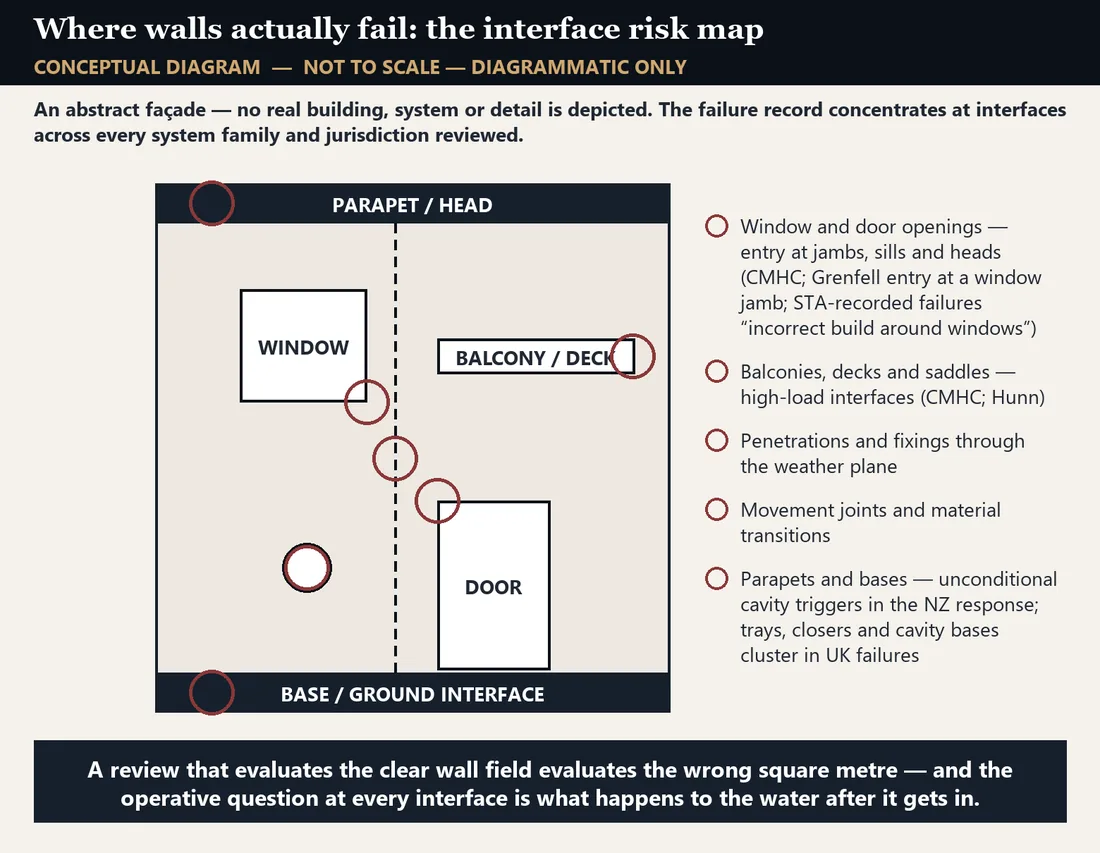
What a wall system has to do, and where it usually fails
Two conceptual figures from the published review. They describe functions and interfaces in general; they do not assess any specific build-up.
Fig. 1Cavity vs No Cavity? · External Issue 02 · August 2026 · conceptual figure
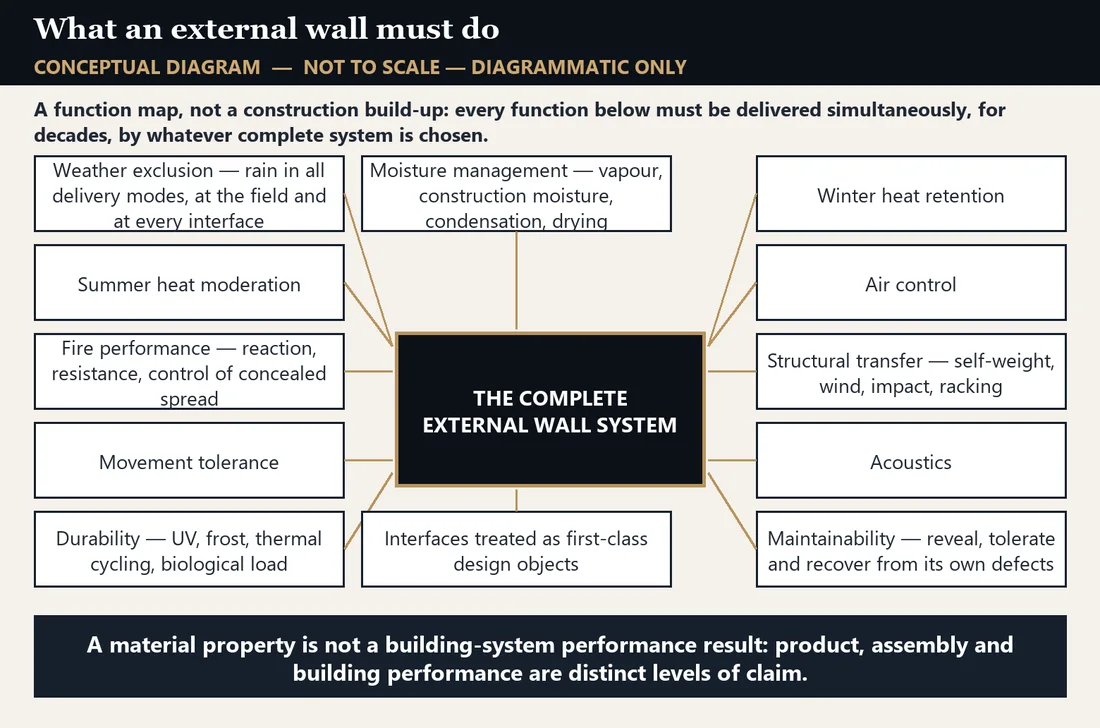
Fig. 2Cavity vs No Cavity? · External Issue 02 · August 2026 · conceptual figure
A written build-up comparison you can use
The Bench compares the documented build-up with the proposed build-up, and puts the position in writing.
- Compare the tested, certified or declared build-up with the proposed one, layer by layer
- Identify which differences are likely to matter for the question being asked
- Separate product evidence from assembly evidence
- Produce a gap register of missing, unclear or non-matching evidence
- Provide a written summary you can use with the project team
The output is written — a review note, clarification note, gap register or evidence summary you can use with the project team. We quote before any written work starts.
Clear about the limits of the review
The Bench reviews evidence and gives written guidance. For system build-ups in particular, the limits matter:
Not part of the review
- Certification, testing or classification of the build-up
- Building Control or other statutory sign-off
- Fire engineering or structural judgement on the build-up
- Design responsibility for the build-up or its details
Those decisions stay with the competent person or organisation appointed on the project. Our written review supports them; it does not replace them.
Build-up evidence question holding up the job?
Send the question, the proposed build-up and the documents you already have. No charge to submit an enquiry — we quote before any written work starts.
Not sure where your question sits? Find your route ›
What helps us start
- The question, as it was put to you
- What the product or build-up is, and where it is going
- The documents you already have — data sheets, reports, certificates, drawings
- Any comment from Building Control, the designer or the client
- When you need an answer
You do not need a complete set to get in touch — send what you have.