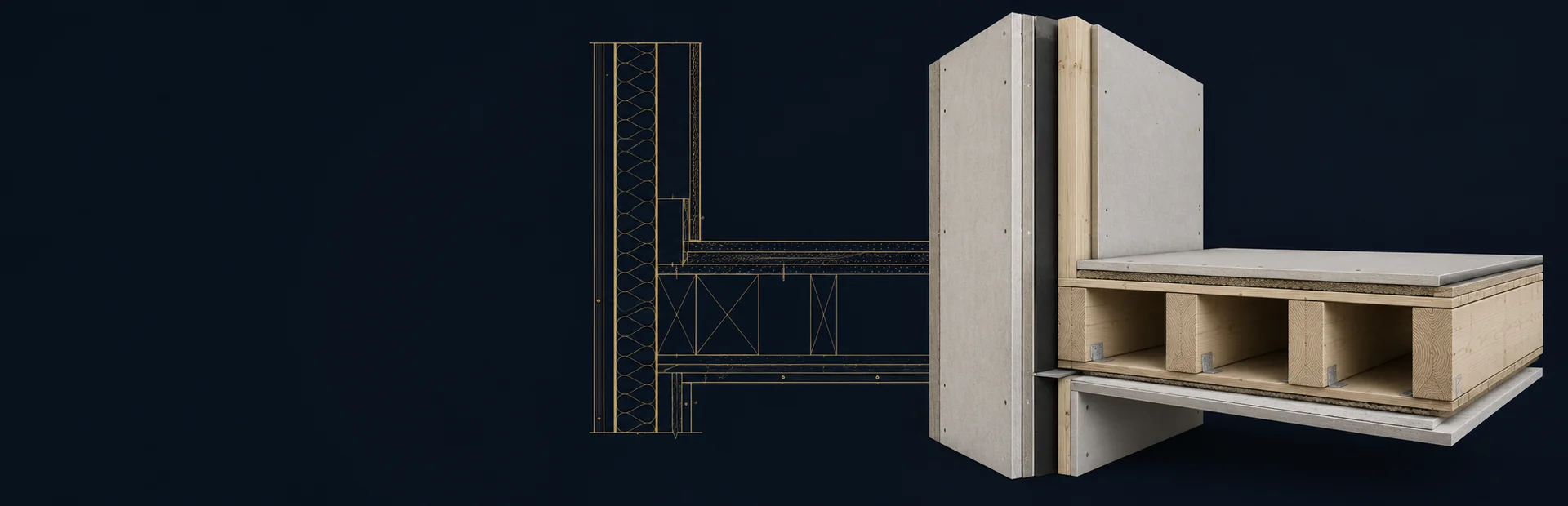
Evidence area
Wall, floor and ceiling system evidence, checked against the detail.
A wall, floor or ceiling system has evidence behind it — but the detail being drawn, specified or installed is not quite the one in the documents.
The Bench reviews the system evidence against the actual detail and sets out in writing where it matches, where it partially matches, and where it does not.
Independent evidence review. Not certification, Building Control or design sign-off.
The questions that usually arrive with a system query
Does the system evidence match the drawing?
The system has test or assessment evidence, and someone wants confirmation it covers the detail as drawn.
Can we change one layer?
A board swap, an added layer or different insulation is proposed, and the question is what that does to the evidence.
Does the site-built version still count?
What was installed differs from what was specified, and the evidence position needs re-checking.
Which document covers this junction or detail?
The field of the wall or floor is covered, but the junction, penetration or edge detail may not be.
Build-up items commonly checked
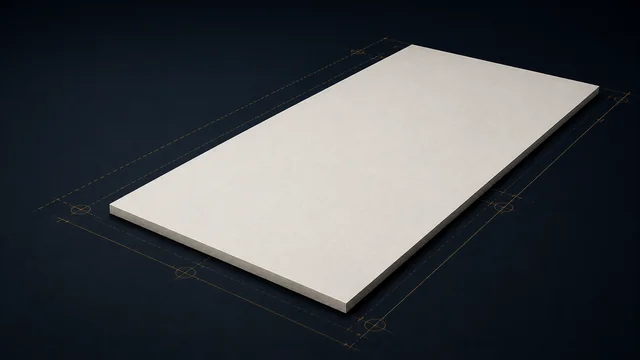
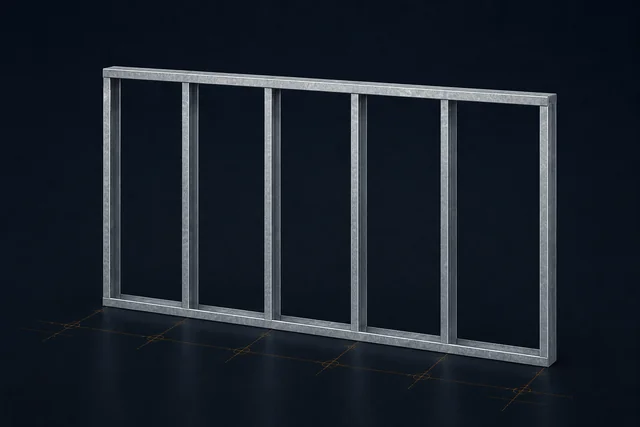
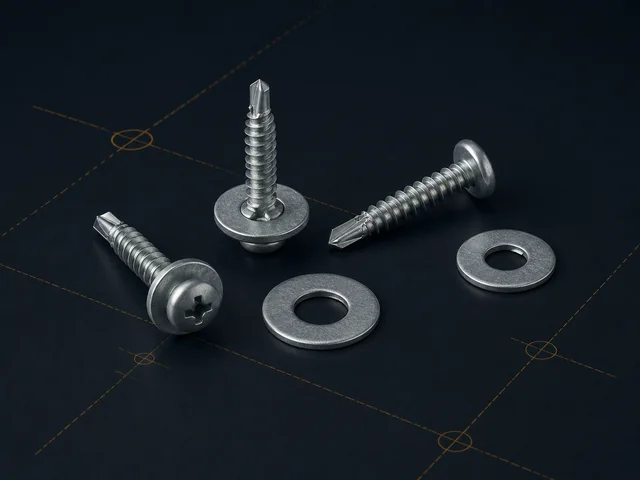
The paperwork behind a wall, floor or ceiling question
Every enquiry is different, and you do not need a complete set before getting in touch — send what you have. These are the documents that usually matter:
- System test, assessment or classification evidence
- Manufacturer system data sheets and installation guides
- Drawings and specifications for the detail in question
- As-installed information or site photos, where relevant
- Product data sheets for each component in the build-up
- The question as raised — the email, drawing comment or site query
Where system evidence usually falls short
One substituted component breaks the read-across
The system was tested as a specific combination, and a single swapped board or layer takes the assembly outside it.
The detail includes something the evidence never covered
Junctions, penetrations and edge conditions often sit outside the tested field of the system.
The specification and the site build differ
The specified system and the installed construction have drifted apart, and the evidence follows the specification.
Evidence for one duty is used for another
A system assessed for one orientation, loading or performance duty is relied on for a different one.
A written system evidence position you can use
The Bench reviews the system evidence against the detail actually being drawn, specified or installed, and puts the position in writing.
- Map the system evidence against the drawn, specified or installed detail
- Flag substitutions, added layers and deviations from the documented system
- Separate what is covered, partially covered and not covered by the documents
- List the evidence needed to close the gaps that matter for the question
- Provide a written note for the project team or Building Control discussion
The output is written — a review note, clarification note, gap register or evidence summary you can use with the project team. We quote before any written work starts.
Clear about the limits of the review
The Bench reviews evidence and gives written guidance. For walls, floors and ceilings in particular, the limits matter:
- Certification, testing or approval of the system
- Building Control or other statutory sign-off
- Design responsibility for the detail
- Acceptance of as-built deviations — that remains with the appointed professionals
Those decisions remain with the appointed competent person or organisation for the project. Our written review is there to support them, not replace them.
Product knowledge that may relate to this evidence area
Where a product question sits behind this evidence area, the product knowledge pages set out the typical questions and the evidence commonly reviewed:

Product logos identify the product areas our evidence records cover. They do not imply certification, approval, endorsement or guaranteed acceptance of any product or build-up.
System evidence not quite matching the detail?
Send the question, the detail and the documents you already have. No charge to submit an enquiry — we quote before any written work starts.